The Escape Machine
Nozick's Paradigm Shift

The Screen
Right now, you are making a silent choice that could cost you your reality.
If all your basic needs were met health, hunger, rest and you could spend your days exactly how you wanted, would you honestly choose to spend them glued to a glass rectangle?
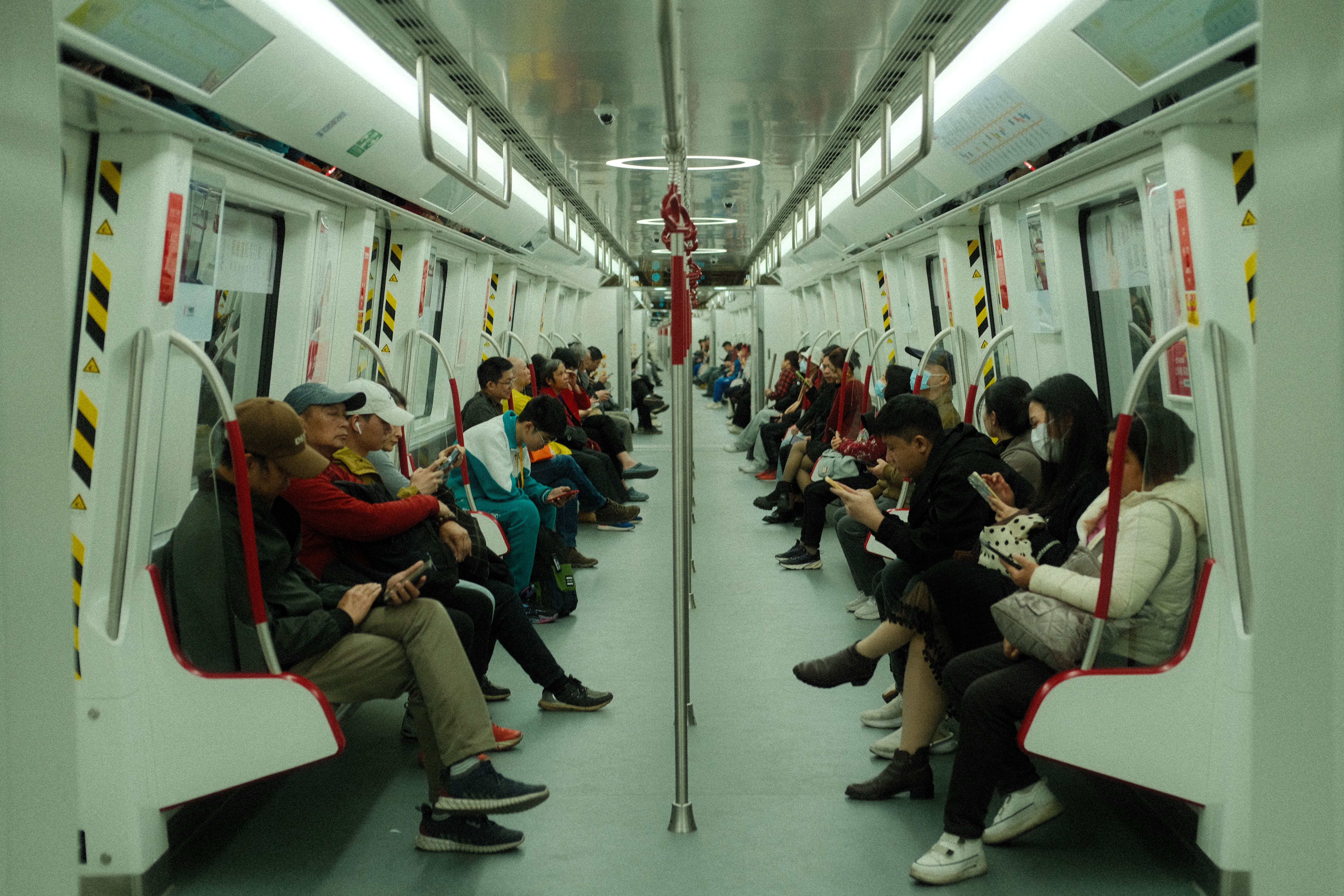
Every time we reach for our phones on the subway, at a bus stop, or across from a friend at a restaurant, we aren't just killing time. We are making a high-stakes, modern gamble: trading the discomfort of raw stillness for a curated, simulated experience. We are letting our actual lives slip away, minute by minute, in exchange for a digital pacifier.
The Experience Machine
This invisible trade-off is exactly what philosopher Robert Nozick anticipated back in 1974. He proposed a famous thought experiment: Imagine a machine that could stimulate your brain to give you any experience you desired, writing a masterpiece, making a connection, climbing Everest all completely indistinguishable from reality. Would you plug in for life?
When Nozick first posed this, most people fiercely said no. They recognized that a simulated feeling, no matter how perfect, lacks the substance of actual existence. We don’t just want to feel like something happened; we want it to have actually happened.
Which raises an uncomfortable, unresolved puzzle: If our ancestors fiercely rejected a fake life, why are millions of us willingly plugging ourselves into the machine every single day?
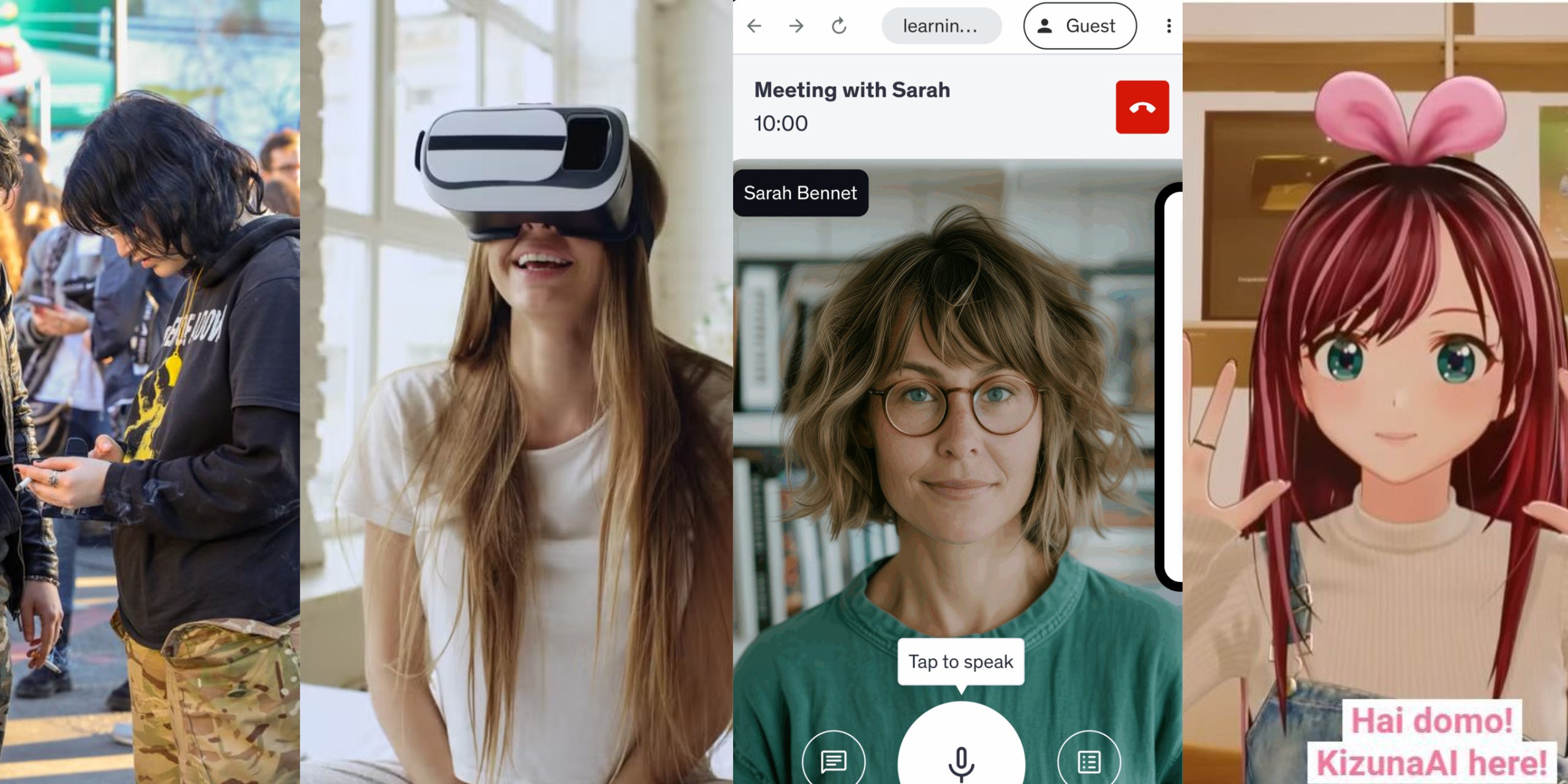
Virtual reality, algorithmic feeds, and artificial intelligence are no longer just tech curiosities; they are the experience machine being delivered to us in curated, bite-sized slices. We are answering Nozick’s hypothetical question with a resounding "yes" in dozens of small, almost invisible choices every single day.
The Paradigm Shift
The easy answer is to blame a lack of discipline or addictive algorithms. But that misses the real plot twist.
We aren't retreating into our screens because we love the glass; we are retreating because reality's default settings have broken. Nozick’s thought experiment assumed two doors of roughly equal appeal. But today, the real world has become faster, lonelier, more demanding, and less forgiving. Meanwhile, the digital door has become infinitely responsive, instantly validating, and effortlessly available.
Tech businesses didn't just build a better trap—society made the alternative exhausting. We didn't simply choose to escape; we were pushed out. For more and more of us, the real world has become too heavy to push open, while the digital one swings wide at a single touch.
The New Reality
Once the digital door becomes the only one easy enough to open, the physical world begins to permanently recede.
We see the extreme edge of this paradigm shift in Japan, where the phenomenon of hikikomori describes hundreds of thousands of people who withdraw entirely from physical society for years at a time. The screen offers just enough stimulation, simulated connection, and safety to get through the day, rendering the outside world a distant, unreachable option.
It leaves us with a chilling final question: Is hikikomori just an isolated cultural anomaly, or is it a preview of the near future for the rest of human civilization?.