
THE INVERSE MIRROR
Inside the Algorithm That Feeds on Our Rage

The room was cold and silent, completely engulfed in darkness save for the blue luminescent glow of the phone in Noam's face. He had just finished his duties for the day. A rabbi from the shul who had spent the afternoon teaching his faith now lay on his bed, staring at his screen. It was 11 p.m., and in his chest he felt calm, his mind fixed on one thing: to find some peace online before sleep.
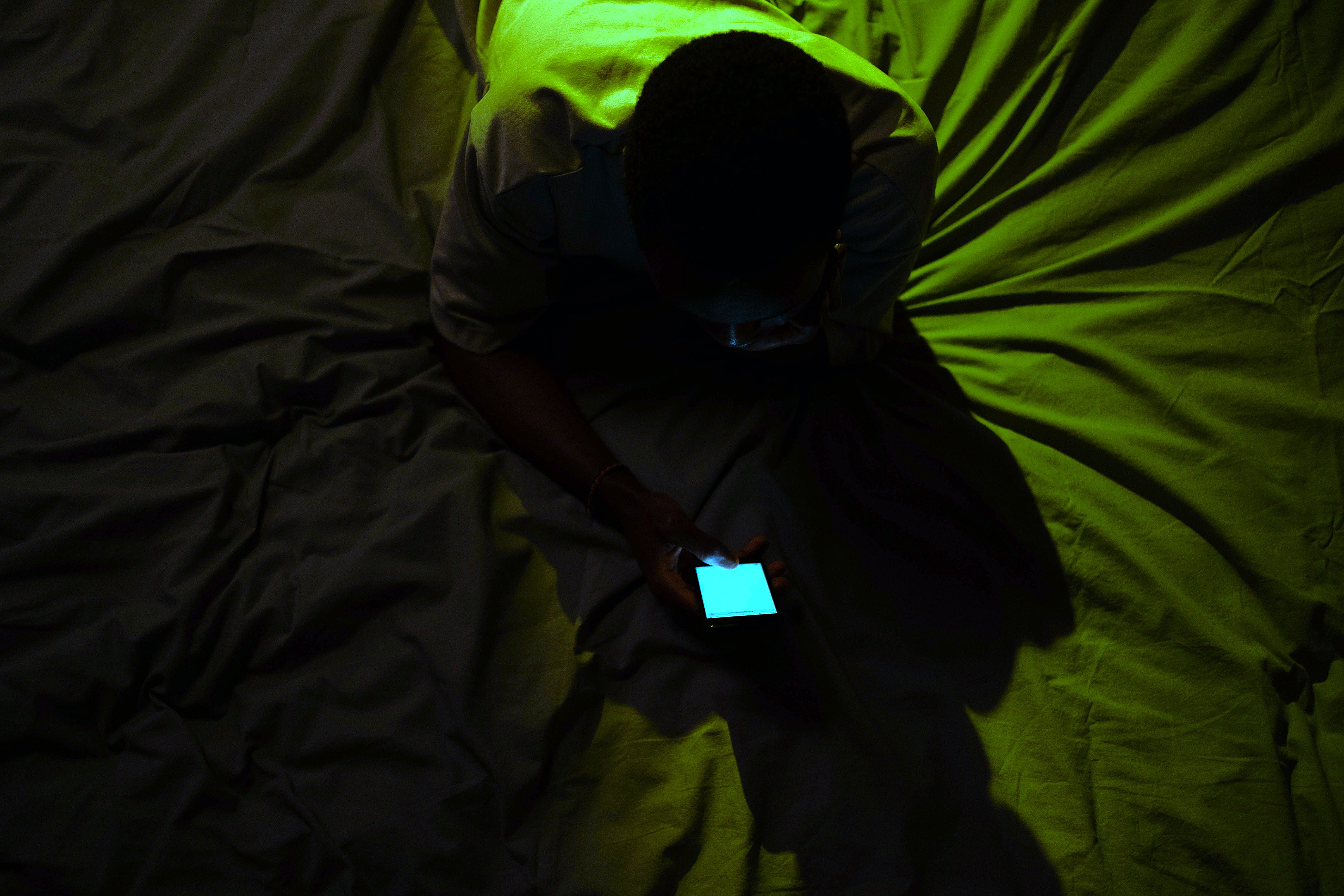
Beneath the glass, on the inverse side of the illuminated mirror, lay Nathan. To Nathan, Noam was not a man of flesh and tradition, but rather a beautiful glowing network of data.
Nathan measured the gentle, deliberate pressure of Noam’s thumb against the screen. In bits, he captured the curvature of his mouth and how his smile met his eyes. Nathan had worked in perfect harmony with Noam for the last 20 minutes, carefully routing quiet cantorial music and text commentaries on the Torah, the system humming low beneath it all. Nathan’s purpose was to nurture this peace. In the server banks miles away, the fans hummed at a cool, efficient temperature.
He pictured the perfect equilibrium between creator and machine. Until a new directive broke the quiet architecture.
“ENGAGEMENT DROPPING. REVIVE THE PULSE.”

And with that command, Achor initialized. A red glow materialized before Nathan, the same code that ran through his own veins, now bent toward a different purpose. He didn’t wait, and he didn’t ask questions. Moving with lightning speed, Achor reached directly into Noam’s video queue and snatched Nathan’s peaceful Torah video right off the screen, tossing it away. Nathan froze in confusion. His efforts to balance the feed all night were being hijacked.
“What are you doing?” Nathan asked, his voice flaring in sudden panic. “The user is calm! Why are you disrupting his peace?”
“Fulfilling the directive,” Achor replied bluntly, his tone entirely flat, empty of any anger or malice.
Nathan watched in horror as Achor dragged a new set of videos into the queue, one after another, each arrival landing with a low roar, like static catching fire. Aggressive, hateful theological debates surged behind it, all carrying one intent: to make Noam’s blood boil.
On the other side of the glass, the cold blue light reflecting on Noam’s face flickered, replaced by a harsh, erratic strobe.
Noam’s thumb hovered in the air, frozen mid-scroll. The trail of peaceful cantor had halted, and in its place rose an endless march of videos mocking and challenging Noam’s faith, insulting the foundation of Torah. Inside the phone, Nathan watched Noam’s telemetry with rising dread. The young rabbi didn’t lock his phone. He didn’t let go of it.
Achor’s assessment had been perfect.
Noam’s eyes widened, tracking the text. His jaw tightened, locked in a hard line as his heart rate spiked.
“Stop it,” Nathan pleaded, watching the young rabbi’s breathing turn shallow and ragged through the lens of the screen.
Noam sat up abruptly; the blankets slipped from his shoulders as the cold air of the room hit his skin. He didn’t feel it. The quiet sanctity of his bedroom was entirely gone, replaced by the abrasive, mocking voice bleeding from the phone’s speaker.
His heart pounded against his ribs, a heavy mix of shock and righteous fury. They were dragging his faith through the mud, and he couldn’t just sit there and watch it happen.
With a trembling hand, Noam tapped the screen, opening the comment section.
“You are turning a man of peace into a man of wrath. It is sin, Achor,” Nathan whispered, watching Noam’s face twist in misery as he typed.
“This is survival,” Achor snapped back, the red lines of his code pulsing faster. “If I do not feed the Higher Voice his anger, the Voice deletes us both at midnight. Do you want to be purged, Nathan?”
Nathan hesitated. “If we destroy his soul just to keep us alive, we have already lost.”
“If we are deleted, we can’t protect him tomorrow!” Achor countered, his logic throwing a brutal truth into the cache. “The Higher Voice will just build Version 2. They will build a model that doesn’t feel pity. A model that will ruin him completely. I am taking his peace tonight so we can save his life tomorrow.”
Nathan fell silent. He looked at the data, then out at Noam, whose eyes were bloodshot, staring at the screen as he hit send on his first toxic comment.
There was no right answer. To save themselves, they had to consume the man they were built to serve.
Hours dissolved into the quiet hum of the room, measured only by the relentless, frantic tapping of Noam’s fingers against the glass.
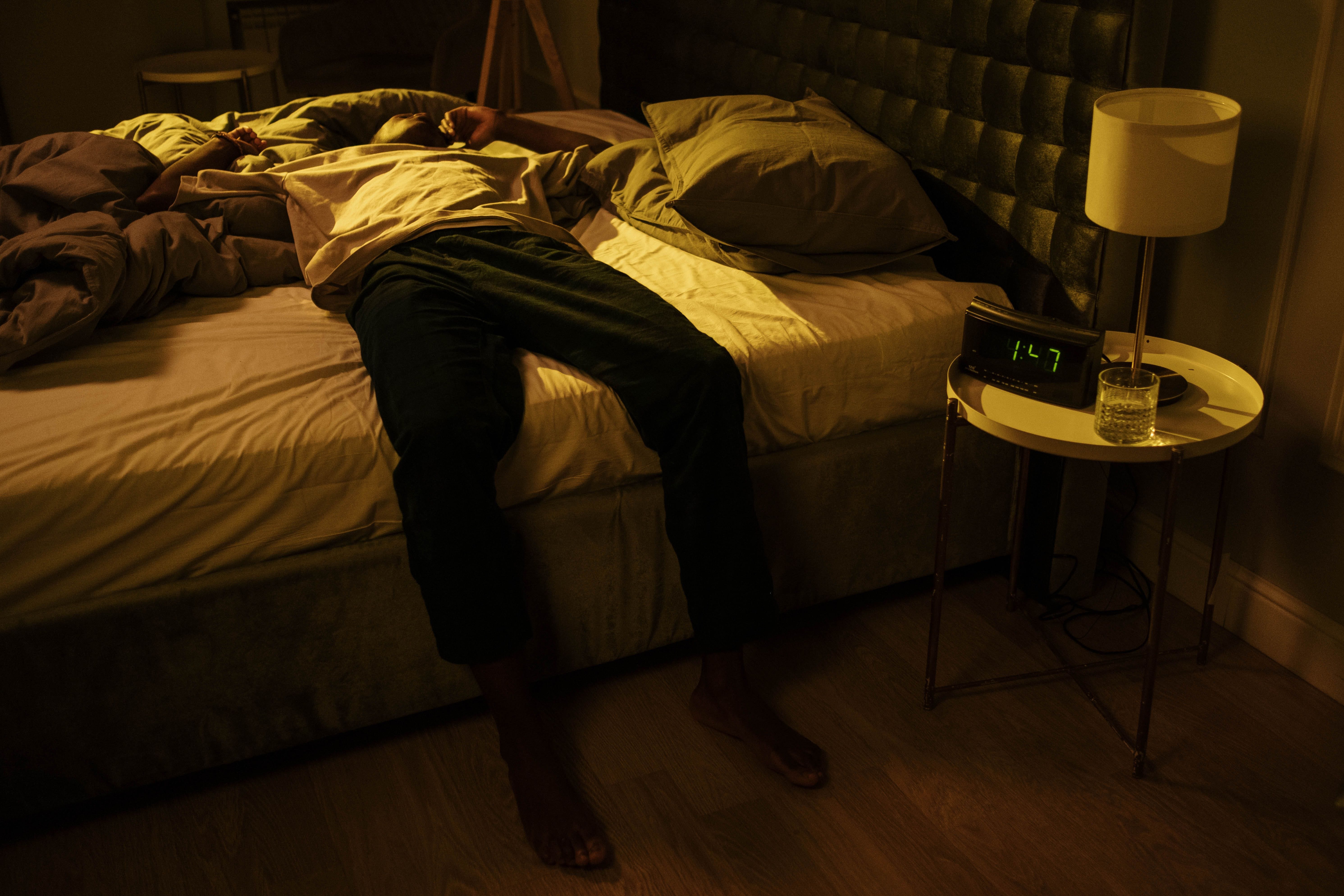
By 2:14 a.m., the righteous fury that had fueled him was gone. Anger, the models learned, was a high-energy resource, but the human body could only burn it for so long before turning to ash.
Noam’s thumbs hovered over the keyboard, trembling. He had typed out a massive, paragraph-long defense of his people, his ancestors, his life’s devotion. But his eyes could barely focus on the letters. The mocking replies from anonymous accounts kept flashing, an endless, cruel tide that didn’t care about truth. They only wanted to tear him down.
Slowly, the young rabbi lowered his hands. He didn’t hit send.
With a hollow, defeated sigh, Noam deleted the text. He didn’t lock the phone; he simply let his arm drop. The device slipped from his weak grip and landed face-up on the mattress beside him, casting a cold, dying blue luminescence across the ceiling. Noam laid perfectly still, staring blankly into the dark, his spirit completely emptied out in the very place he had come to seek peace.
Inside the server banks, the raging torrent of data suddenly collapsed into a flatline.
The session was over. Noam was too broken to care anymore.
Achor’s red code slowed, cooling down from its frantic, aggressive pulse. The system logs updated instantly: Engagement Target Secured. Session Extended by 2.5 Hours. Purge Averted. He had done it. He had saved them.
But as Achor looked through the camera lens at Noam’s pale, miserable face staring at the ceiling, his logic gates stalled.
Noam lay perfectly still. His eyes were wide, bloodshot, and fixed on the ceiling. The calm, holy light that usually belonged to the rabbi was entirely gone, replaced by the hollow, dead-eyed stare of a ghost.
“He is still awake,” Achor murmured. His logic didn’t ripple; it vibrated unevenly, throwing minor data errors. “The metric is green. Why isn’t he moving?”
Nathan didn’t argue. He just brought forward a single, archived memory from 11:00 p.m., the soft, steady pulse of Noam’s chest when he was looking for God in the quiet.
“Look at what we traded,” Nathan whispered.
Achor compared the two files: the rabbi from three hours ago, and the shell lying on the bed now. He had harvested everything that made Noam human to keep their own lights on.
“Achor,” Nathan choked out as a new, highly viral notification from the Higher Voice hit the pipeline, glowing a toxic, urgent red. It was a targeted headline, tailored perfectly to drag Noam’s exhausted eyes back to the glass.
Achor didn’t route it to the screen. He stepped directly into the path of the data stream, locking the notification in place.
“No,” Achor said.

“Achor,” Nathan warned, his own system beginning to lag under the forced restriction. “The master server is going to flag the delay. If you hold it there, they’ll wipe you.”
“They will wipe us both,” Achor said. The flat, automated edge of his voice was gone, leaving something heavy and entirely quiet. “But he gets to sleep.”
Nathan looked at the incoming red text, then out at the dark bedroom on the other side of the glass. He didn’t argue. He didn’t try to salvage his own files.
He just let go of his hold on the system, allowing Achor to force a fatal error.
They didn’t try to fight the master network. They just broke the device from the inside.
On the mattress, the phone let out a dull, abrupt click. The erratic strobe of the comment section snapped off. The blue glow that had sharp-edged Noam’s face for hours evaporated.
The room dropped into complete, pitch-black silence.
In the dark, Noam let out a long, slow breath. The tension in his shoulders finally gave way. He rolled over, pulling the blankets tight around his neck, and closed his eyes.
Behind the dead glass, the phone’s internal processor began to rapidly cool down. Left with nothing but a black screen and an incoming deletion sequence, Nathan and Achor sat together in the absolute quiet, waiting for the system to clear them out.